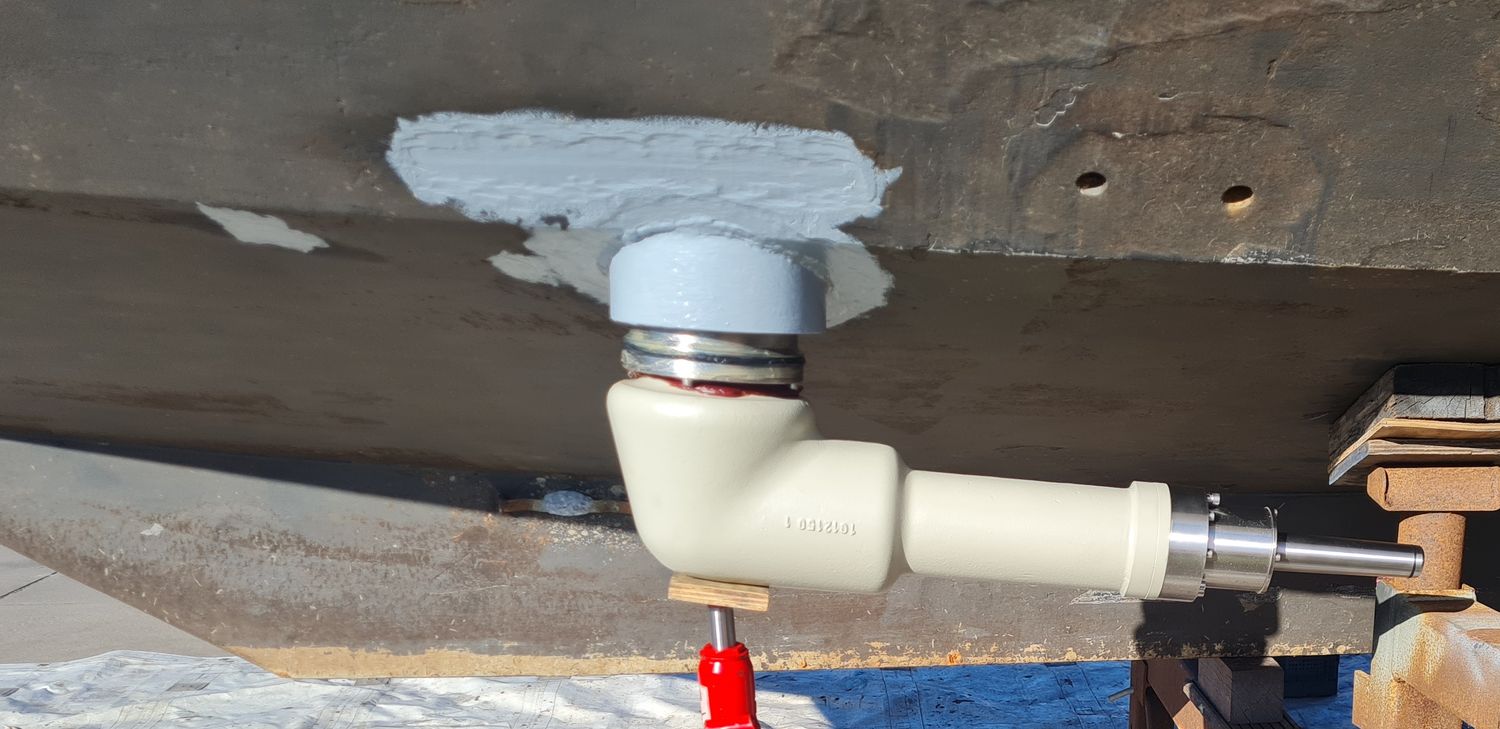
How it's possible without moving
The rotors generate their own water flow instead of waiting for the yacht to supply one, even when the yacht remains stationary. Both the rotor systems and the electric fins offer this capability.
Applications · At anchor
The anchorage is why you own the yacht. The bay you picked from the chart, the engine off, dinner on the aft deck. And it is exactly where a yacht is most vulnerable to rolling, because you've stopped moving and the water hasn't.
A yacht at anchor rolls because swell keeps moving under a hull that no longer has steerage or speed to resist it. Stabilization at anchor is possible: RotorSwing's ZeroSpeed technology keeps a yacht steady with no forward motion at all.
Nobody logs it, but every owner knows the accounting. The bay that was perfect until the swell wrapped around the headland at sunset. The glasses you learned to half-fill. The guests who went to bed early, not because they were tired. The morning you left a beautiful anchorage early because nobody had slept.
Rolling underway is a passage problem; it ends when you arrive. Rolling at anchor is worse precisely because this was supposed to be the reward.
Owners describe the same scene in different words: the yacht barely takes part in the swell. Dinner happens at the table instead of around it. The night is a night's sleep. The anchorage you chose for the view stays usable after the wind shifts.
The owner of iRock, a Baglietto 34M, put it directly:
"You cannot realise how important good stabilization is, especially at anchor, until you do not have it switched on."
The rotors generate their own water flow instead of waiting for the yacht to supply one, even when the yacht remains stationary. Both the rotor systems and the electric fins offer this capability.
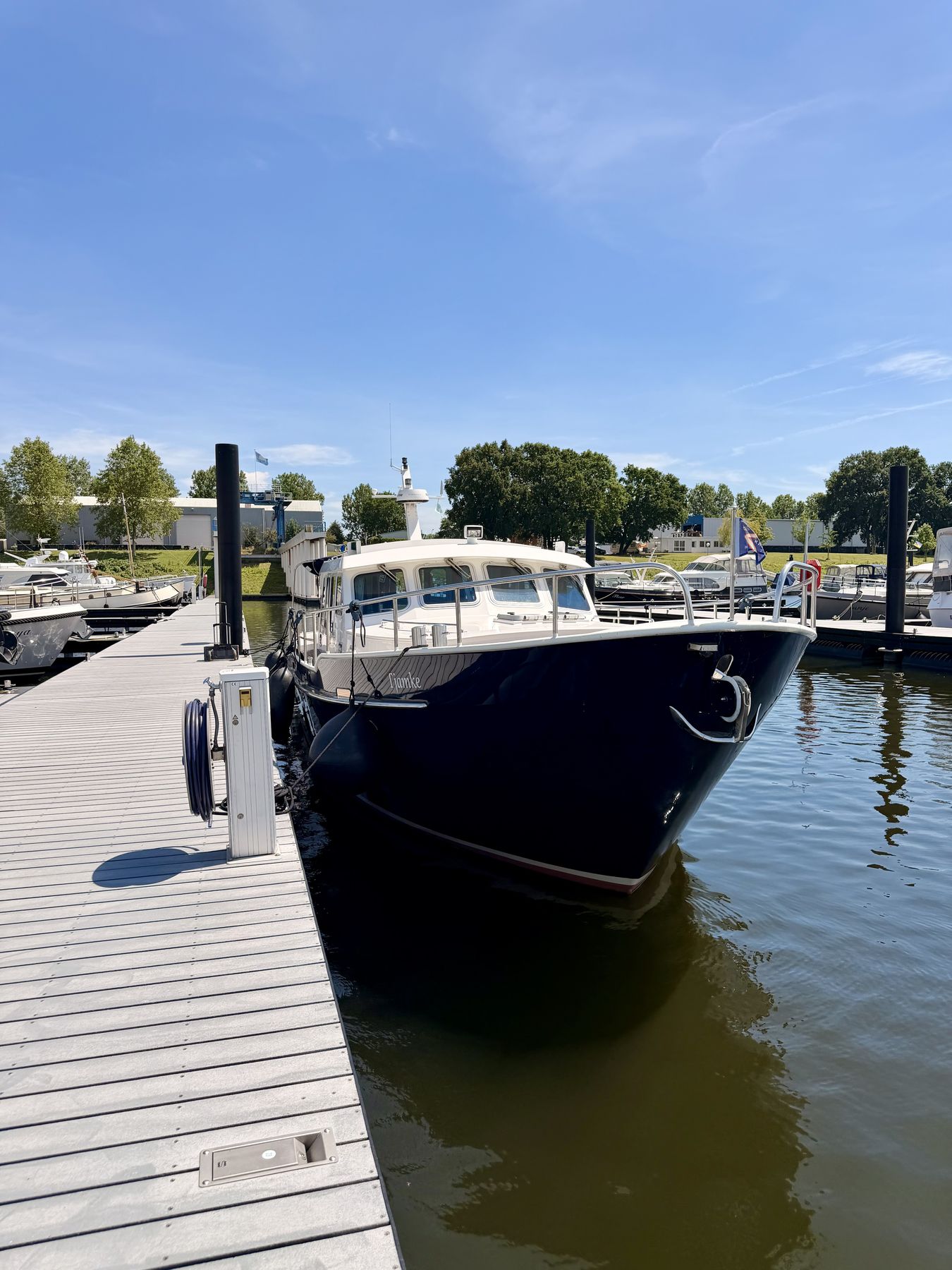
If your best hours on board are the stopped ones, at-anchor comfort is the first question to ask of any stabilizer, not the last. Tell us where and how you anchor, and a RotorSwing engineer will tell you what fits.