Skip to content
11 owner testimonialsread them all

Service & support · Maintenance

What Maintaining a RotorSwing System Actually Involves

RotorSwing stabilizers are designed with simplicity and reliability as the starting point. Periodic maintenance consists mainly of visual inspections, checks of cables, sensors and ventilation, and periodic lubrication of moving parts; many checks can be done by the owner or a local technician.

Every mechanical system on a yacht needs care, and anyone who says otherwise is selling something. For a RotorSwing system, that care comes down to what gets checked, who can do it, and why the design keeps it simple.

The periodic checks

A periodic inspection consists mainly of:

  • Visual check for leaks, loose fittings and any damage

  • Listening for abnormal sounds during operation

  • Checking ventilation around the installation to prevent condensation

  • Inspection of electronic components and sensors

  • Checking cables, connectors and electrical connections

  • Periodic lubrication of the moving parts, per the maintenance schedule

Many of these can be carried out by the owner or a local technician, even when the yacht is far from a service point. An owner who lives with the system put it his own way:

  • "No particular maintenance required apart from lubricating the shaft."

    Mr. Le Duc, Privateer

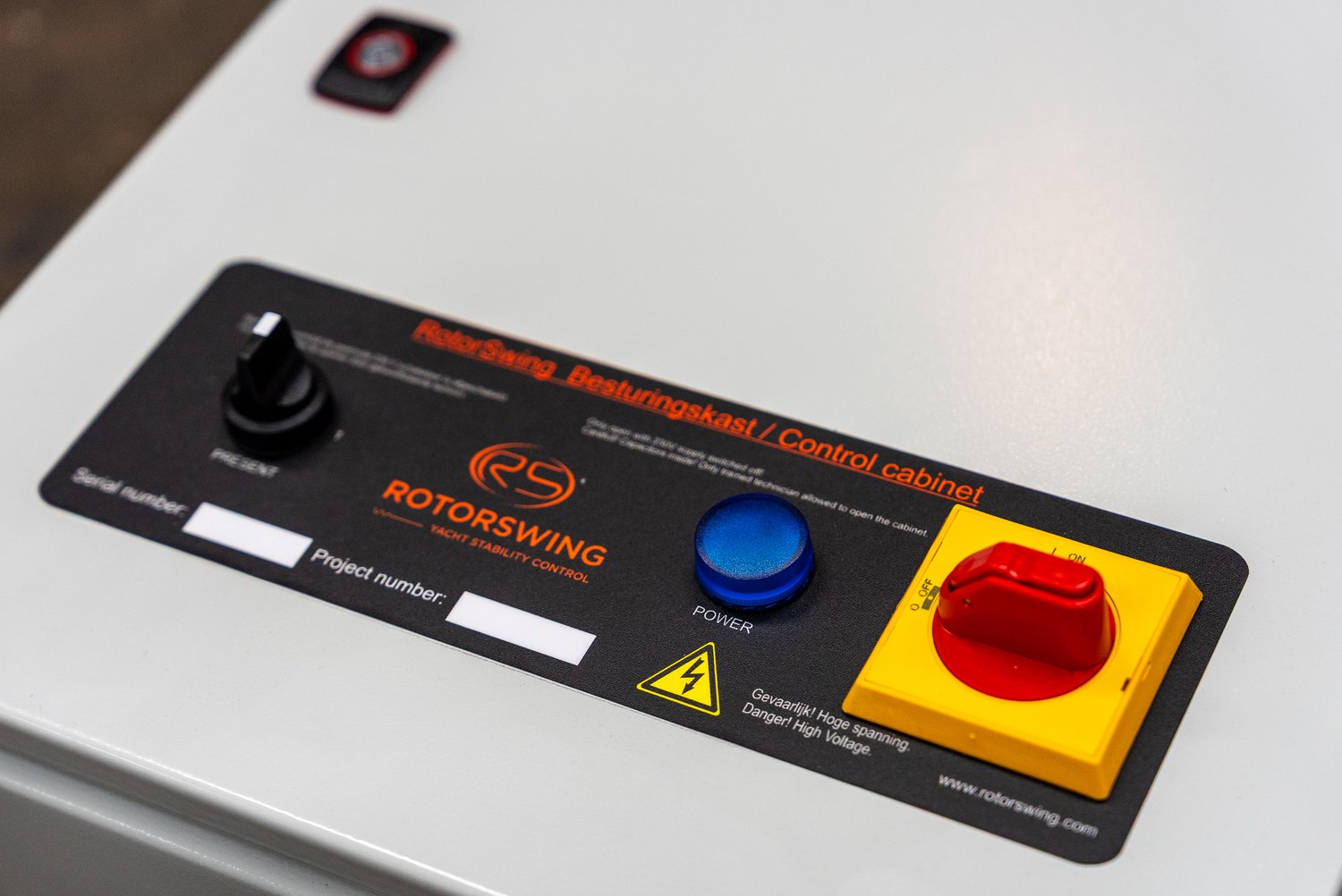
The control cabinet front plate at an angle: a black label with orange RotorSwing lettering, a selector knob, a blue power lamp and a red isolator switch in a yellow housing

Why the design keeps service simple

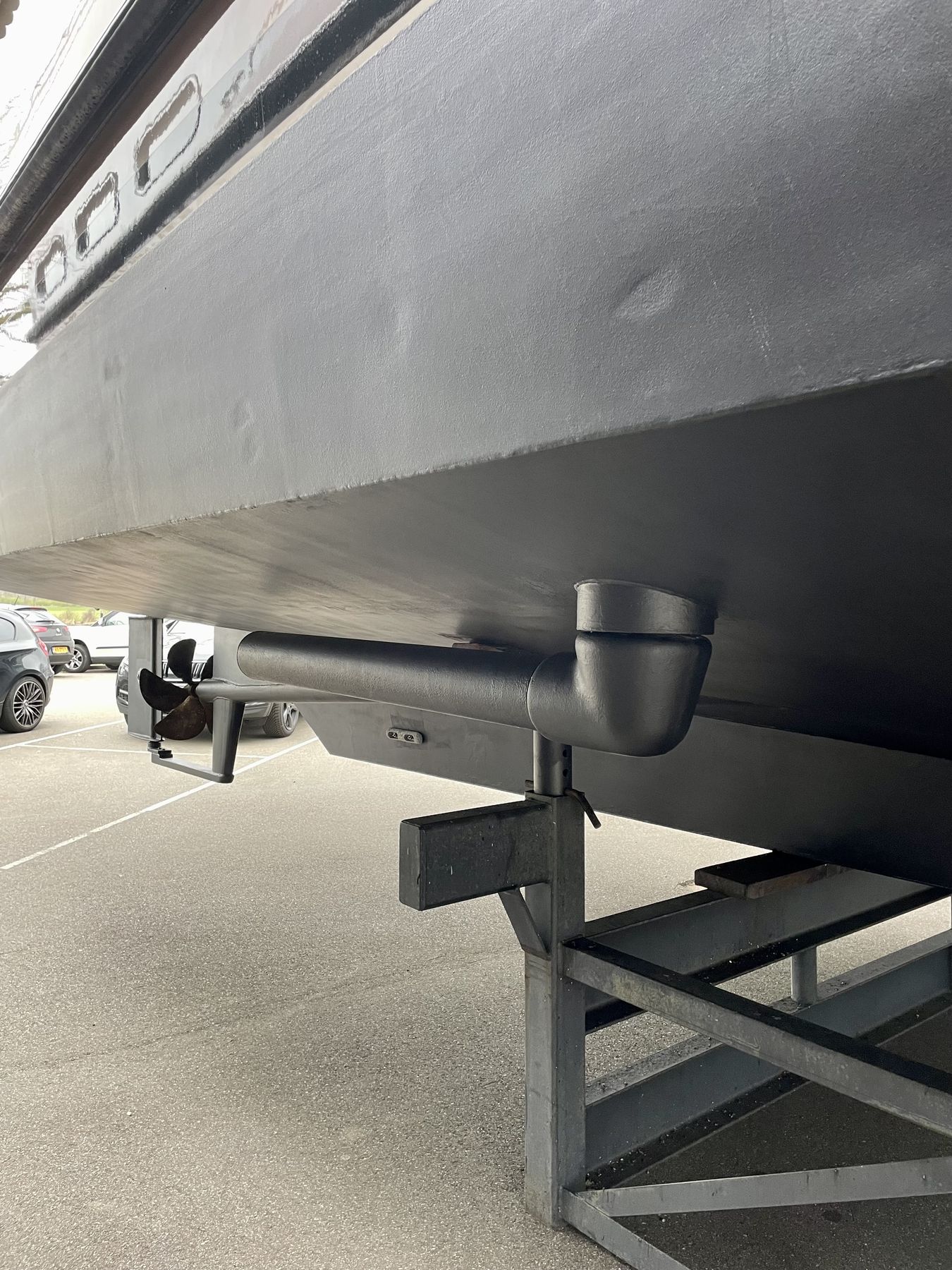
Two architecture decisions do most of the work. The system is 100% electric, so there is no hydraulic circuit, no oil and no hoses to service; why electric simplifies service tells that story in full. And no vulnerable electronics sit below the waterline, so inspection, service and any component replacement stay straightforward, wherever the yacht is.
Maintenance intervals

Maintenance intervals depend on how intensively the system is used, the cruising area and the configuration. For that reason, there is no universal maintenance schedule. The maintenance manual for your system states the exact requirements, and the delivery documentation should always be considered the definitive reference.

For the checks beyond owner level, there’s a partner near your harbor, and what the warranty covers sits beside this page. Both are part of everything under service and support.

If you are unsure whether a component requires attention, simply contact the factory with a description and photographs. We will be happy to advise.