The moment you drop the anchor should be the moment you finally relax. Not the moment the yacht starts to roll. ZeroSpeed exists for exactly that moment.
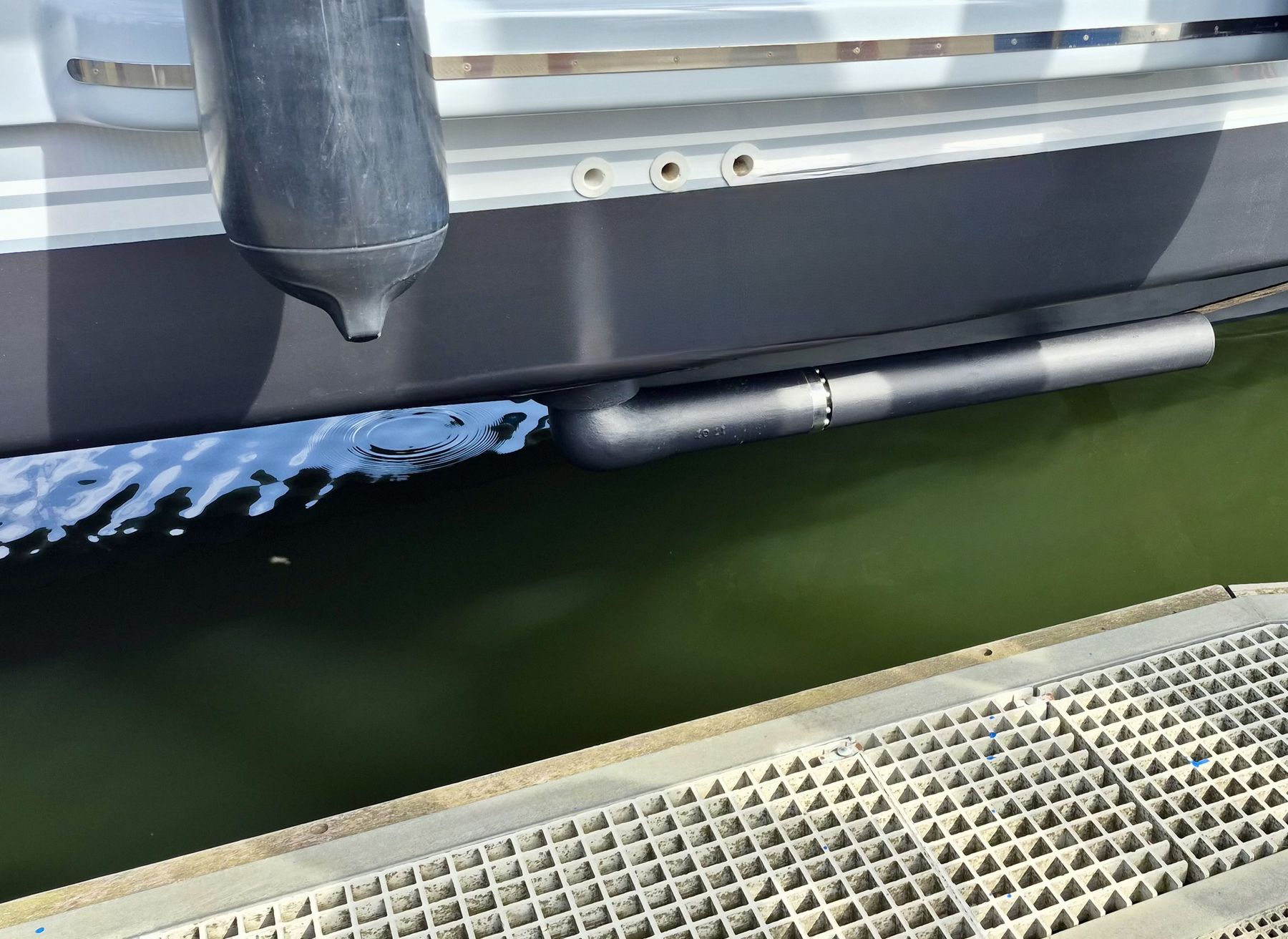
RotorSwing's patented Rotor ZeroSpeed technology stabilizes a yacht at anchor, with no forward motion, by swinging the Magnus-effect rotors beneath the hull so they generate their own water flow.
Rotor ZeroSpeed is patented
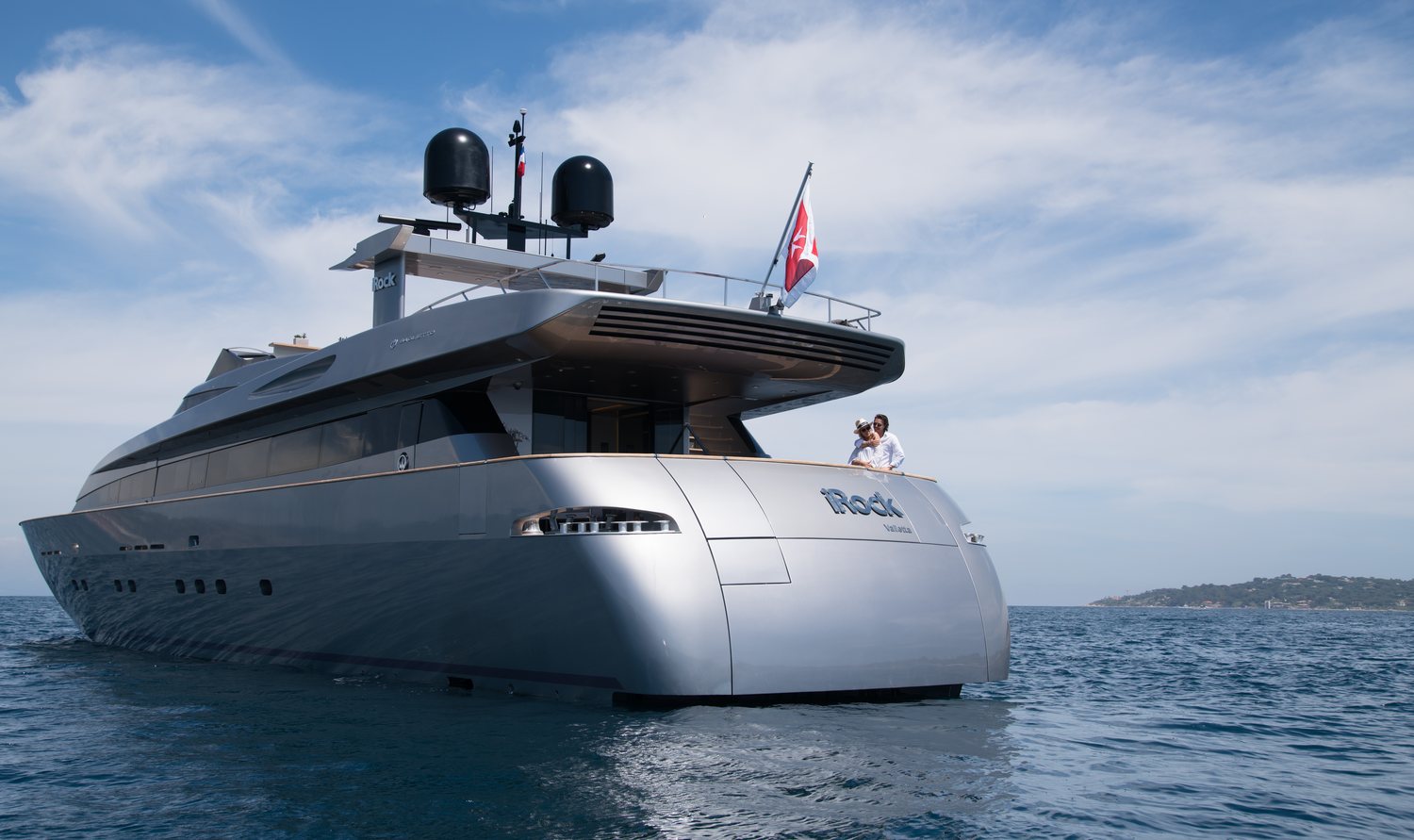
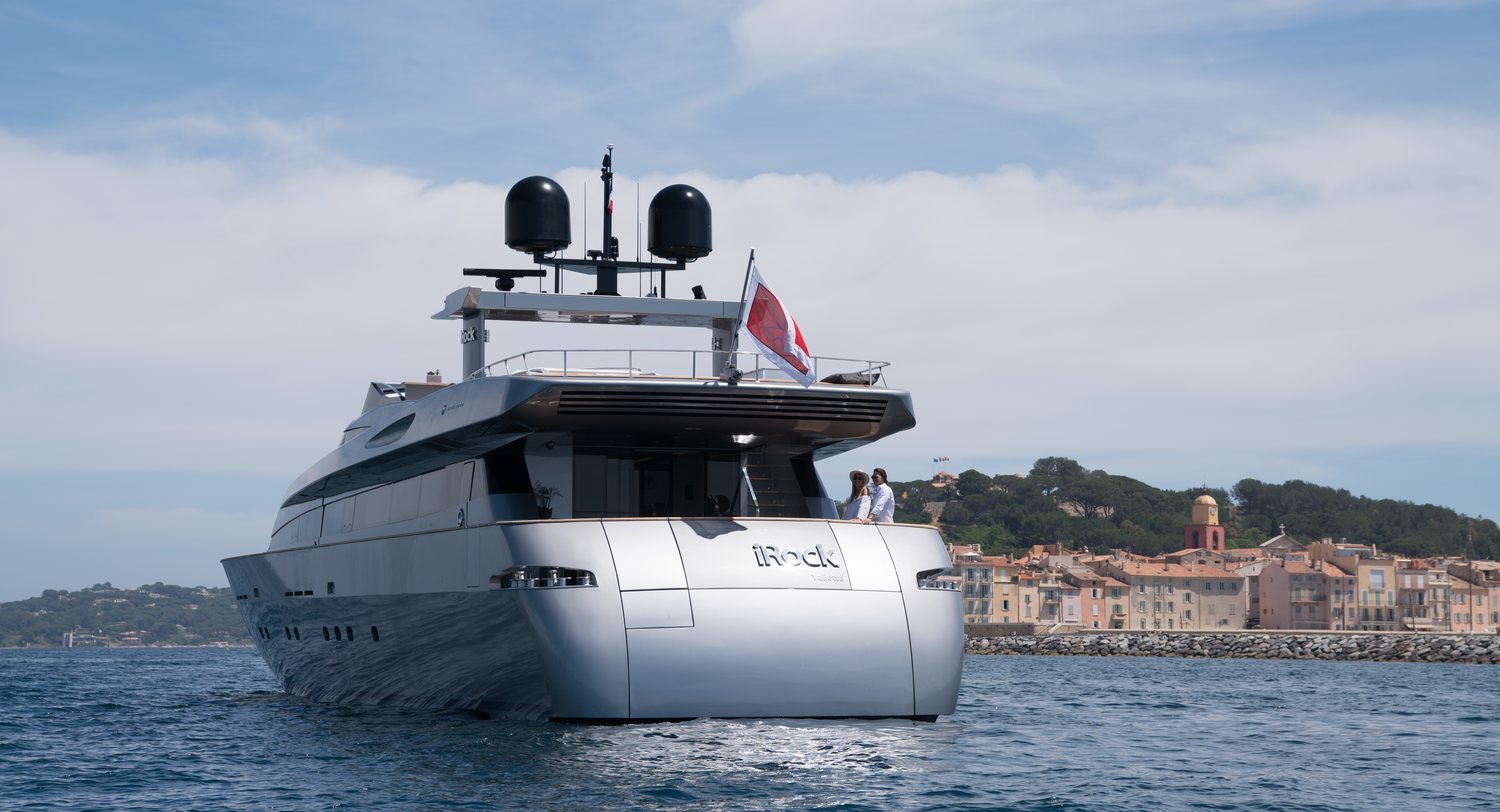
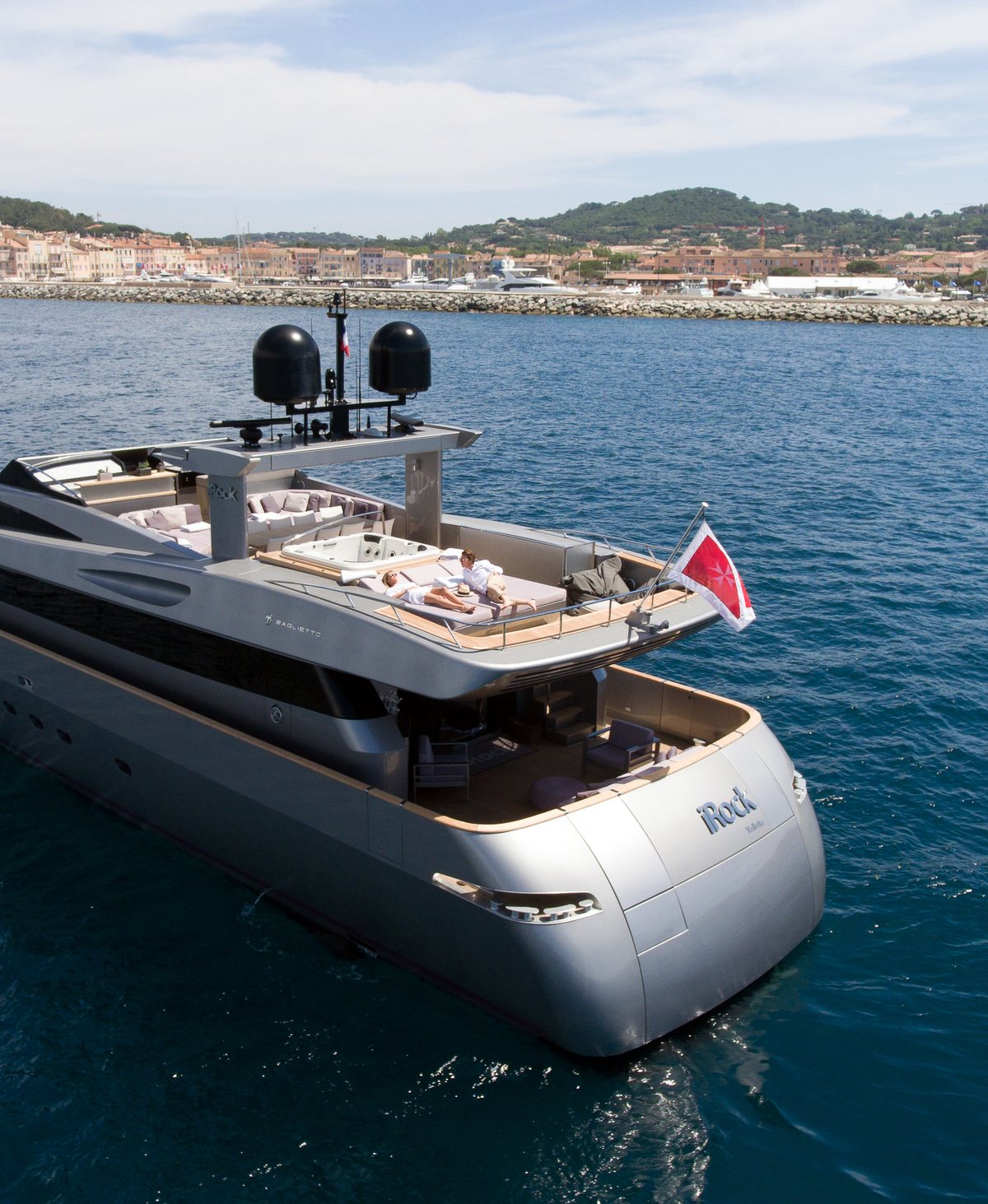
iRock, Baglietto 34M
HISWA-recognized company
Do rotor stabilizers work at anchor?
Yes.
It is a fair question, because a standard Magnus rotor does need water moving past it to create force, and older forum threads still repeat that rotors therefore stop working when the yacht stops. For RotorSwing systems, that conclusion is outdated.
ZeroSpeed solves the no-flow problem directly: Instead of waiting for water to pass, the rotors swing beneath the hull and create their own flow. A rotor moving through still water experiences the same flow as a stationary rotor in moving water. The physics does not care which one is moving. The result is effective roll damping while the yacht lies still or rests at anchor.
RotorSwing patented Rotor ZeroSpeed technology in 2014. It is not a workaround added to an underway system. It is a core, protected part of how the platform was designed.
Same flow at the rotor
The rotors swing beneath the hull and create their own flow
What ZeroSpeed changes on board
Roll at anchor is the quiet deal-breaker of yachting. It decides whether dinner on the aft deck is a pleasure or a balancing act, whether guests sleep, and whether the most beautiful bay on the coast is actually usable overnight. ZeroSpeed shifts that calculation. Where you anchor becomes far more a question of where you want to be, and far less of what the swell allows.
Which systems offer ZeroSpeed
ZeroSpeed is a configuration choice across the entire range: both the rotor systems and the electric fins are available as Underway or as Underway + ZeroSpeed, so owners who mostly cruise can choose the simpler setup, and owners who live at anchor get the full capability. At ZeroSpeed the fins actively move to generate their own water flow, allowing stabilizing force to remain available even when the yacht is stationary.
The strongest ZeroSpeed reference in the fleet is a refit: the Baglietto 34M iRock, a 109-foot motor yacht fitted with four RS 140 Underway + ZeroSpeed units.
“RotorSwing was a game changer... Comfort has increased dramatically, and everyone onboard has noticed that straight away.”
Frequently asked questions
Do rotor stabilizers work at anchor?
Yes. RotorSwing's patented Rotor ZeroSpeed technology swings the rotors beneath the hull so they generate their own water flow, which means the Magnus effect keeps producing stabilizing force with no forward motion. The yacht is stabilized while lying still or at anchor.
What is a zero speed stabilizer?
A zero speed stabilizer is a stabilization system that reduces a yacht’s roll when the yacht is not moving, for example at anchor. It is also called stabilization at rest or on-anchor stabilization. RotorSwing offers ZeroSpeed as a configuration on both its rotor and fin systems.
How do zero speed stabilizers work?
Zero speed systems that use fins or rotors generate their own water flow rather than relying on the yacht's movement. RotorSwing's rotors swing beneath the hull and the electric fins actively move to generate their own water flow, both producing a stabilizing force while the yacht remains stationary.
Is ZeroSpeed standard on every RotorSwing system?
It is a configuration choice. Both the rotor systems and the electric fins come as Underway or as Underway + ZeroSpeed. The right configuration depends on how much time you spend at anchor.
If your evenings end at anchor more often than in a marina, ZeroSpeed is probably the single most important word on this site. Tell us how you use your yacht and a RotorSwing engineer will confirm whether it fits.