Skip to content
11 owner testimonialsread them all

Products · Magnus-effect rotors

RS 140 RS 170:The Rotor Stabilizer Family

Where low speeds meet maximum comfort. The RS 140 and RS 170 are RotorSwing's Magnus-effect rotor stabilizers: the perfect fit for displacement and semi-displacement yachts from 12 to 40 meters, 100% electric from drive to control.

The RotorSwing RS 140 and RS 170 are fully electric Magnus-effect rotor stabilizers for motor yachts from 12 to 40 meters, delivering powerful roll damping from just 3 knots and, in ZeroSpeed configuration, stabilization at anchor with no forward motion.

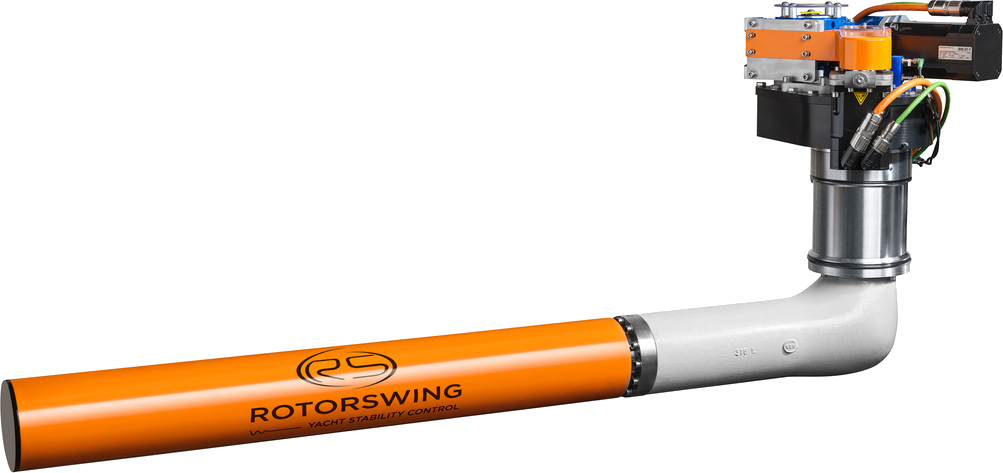
A RotorSwing Magnus-effect rotor stabilizer with its drive head

Two rotors, one family

insert photo [RS 140 rotor]

The RS 140

is built for the compact and mid-size segment: displacement yachts, trawlers and explorer yachts. It delivers effective roll damping from low speeds, and a single rotor, port or starboard, is enough for displacements up to 18 tons. Larger yachts can be equipped with multiple RS 140 rotors, while heavier vessels can step up to the RS 170 for the same stabilizing performance with fewer units. It is also the most-proven system in the range, with installations going back more than a decade.
insert photo [RS 170 rotor]

The RS 170

is the newest addition to the range: the larger sibling. It builds on exactly the same principles as the RS 140, with more capacity for greater displacements and higher comfort demands. For yachts carrying more weight, larger superstructures or seeing more intensive use, the RS 170 provides extra stabilizing force where it is needed.

Both share one platform: the same electric drive philosophy, the same control system, the same patented functions.

Which one fits is a displacement and hull question, not a preference question. That calculation is exactly what a personal fit review is for.

Choose your configuration

Both rotors come in two configurations:

Both configurations include the patented Adaptive Rake function, which automatically angles the rotors at higher speeds to hold maximum stability up to 16 knots without retraction, while minimizing drag to preserve speed and reduce fuel consumption.

Main benefits

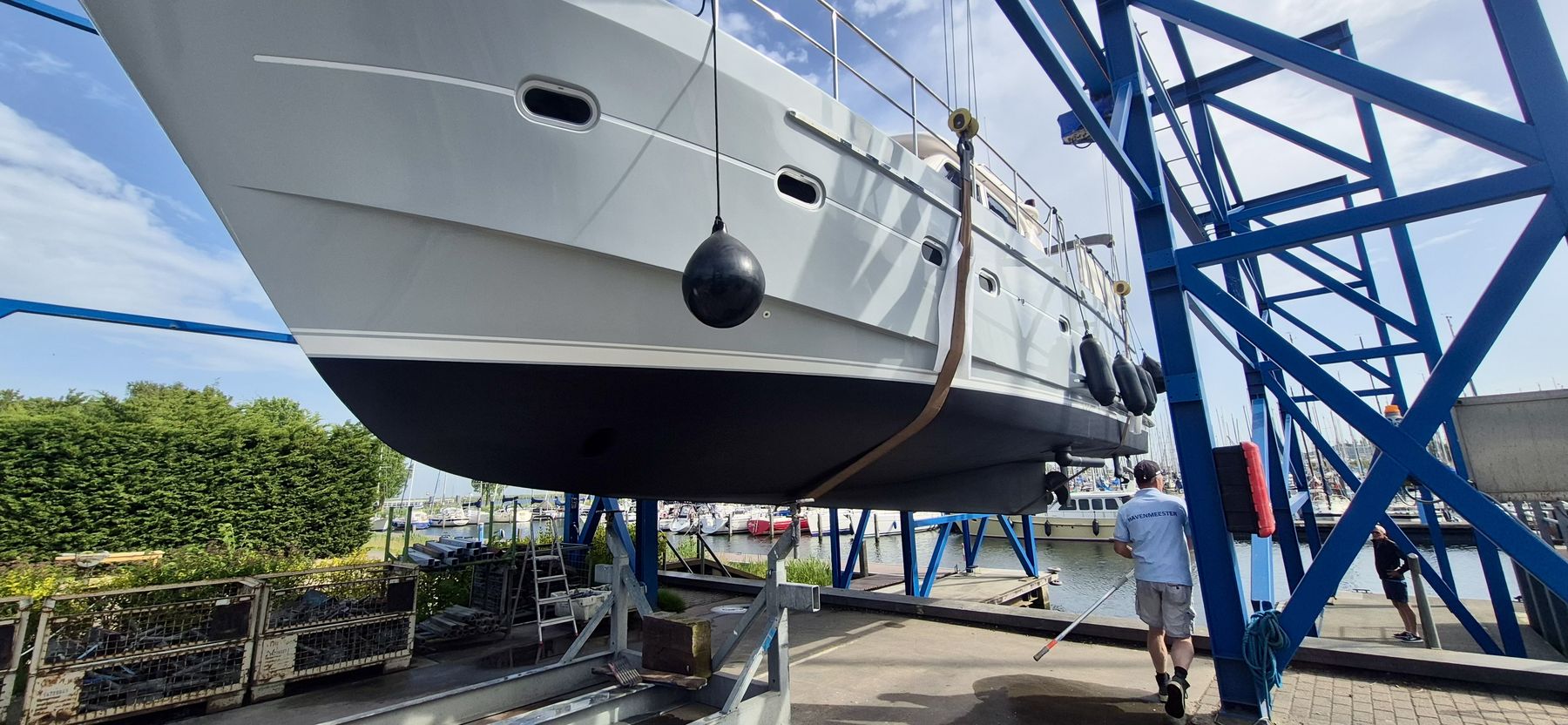
That flexible placement deserves a sentence more: fin stabilizers typically need to be installed close to midships, often competing for space with tanks, generators and other machinery. RotorSwing rotors mount anywhere from midships to 1.5 meters forward of the transom, making refits not only possible, but often far simpler.

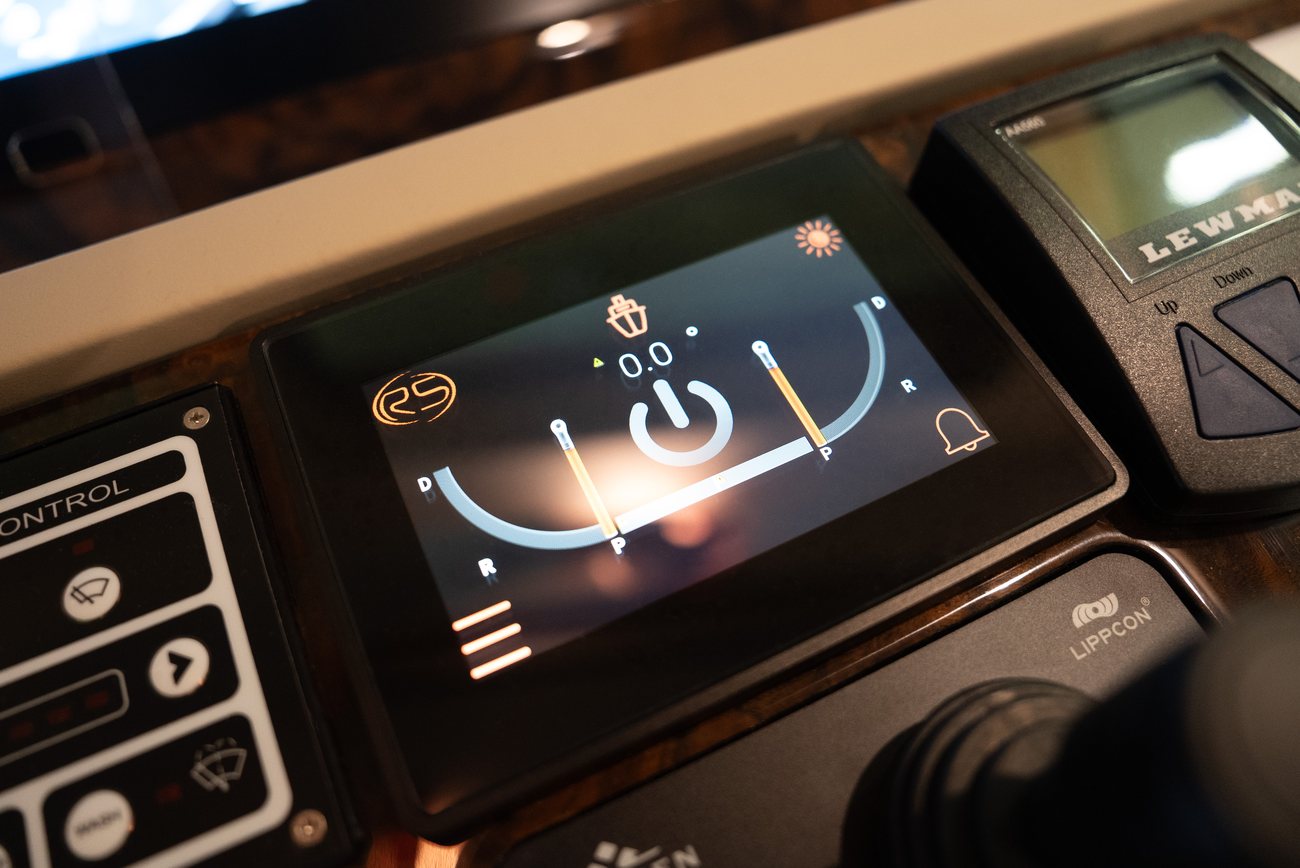
The RotorSwing 5-inch touchscreen display showing live stabilizer performance data

Control your comfort, your way

Manage the system from RotorSwing's dedicated 5-inch touchscreen with real-time performance data, or through a clean dashboard integration with your existing Raymarine, Garmin or Simrad displays. The choice is yours; the system works quietly in the background either way.

The owners who came back for a second one

The strongest endorsement a stabilizer can get is a repeat order. After more than 450 hours in their first year with a single RS 140 on their Linssen 40 GS, the Honig family specified RotorSwing again, this time a twin installation, on their new Linssen 45 SL, and took the yacht across the North Sea to England on a 15-hour maiden crossing.

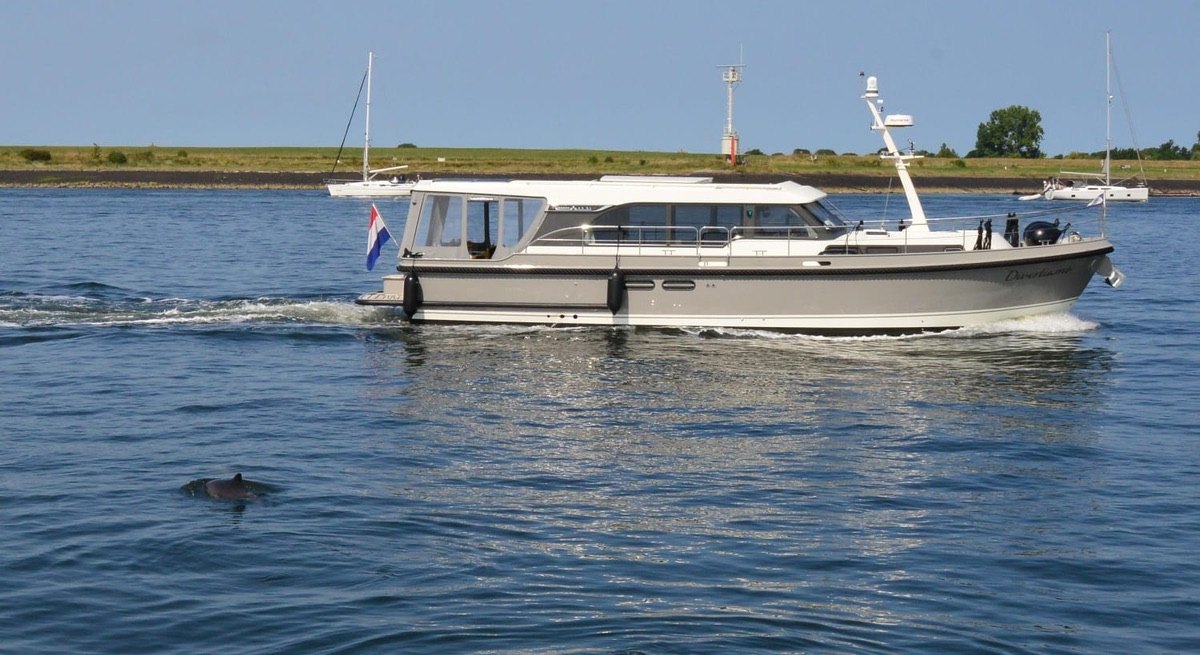
MY Divertiamo, the Honig family's Linssen 45 SL

“We are very pleased with our RotorSwing stabilization and wholeheartedly recommend this system.”

Honig family, MY Divertiamo, Linssen 45 SL
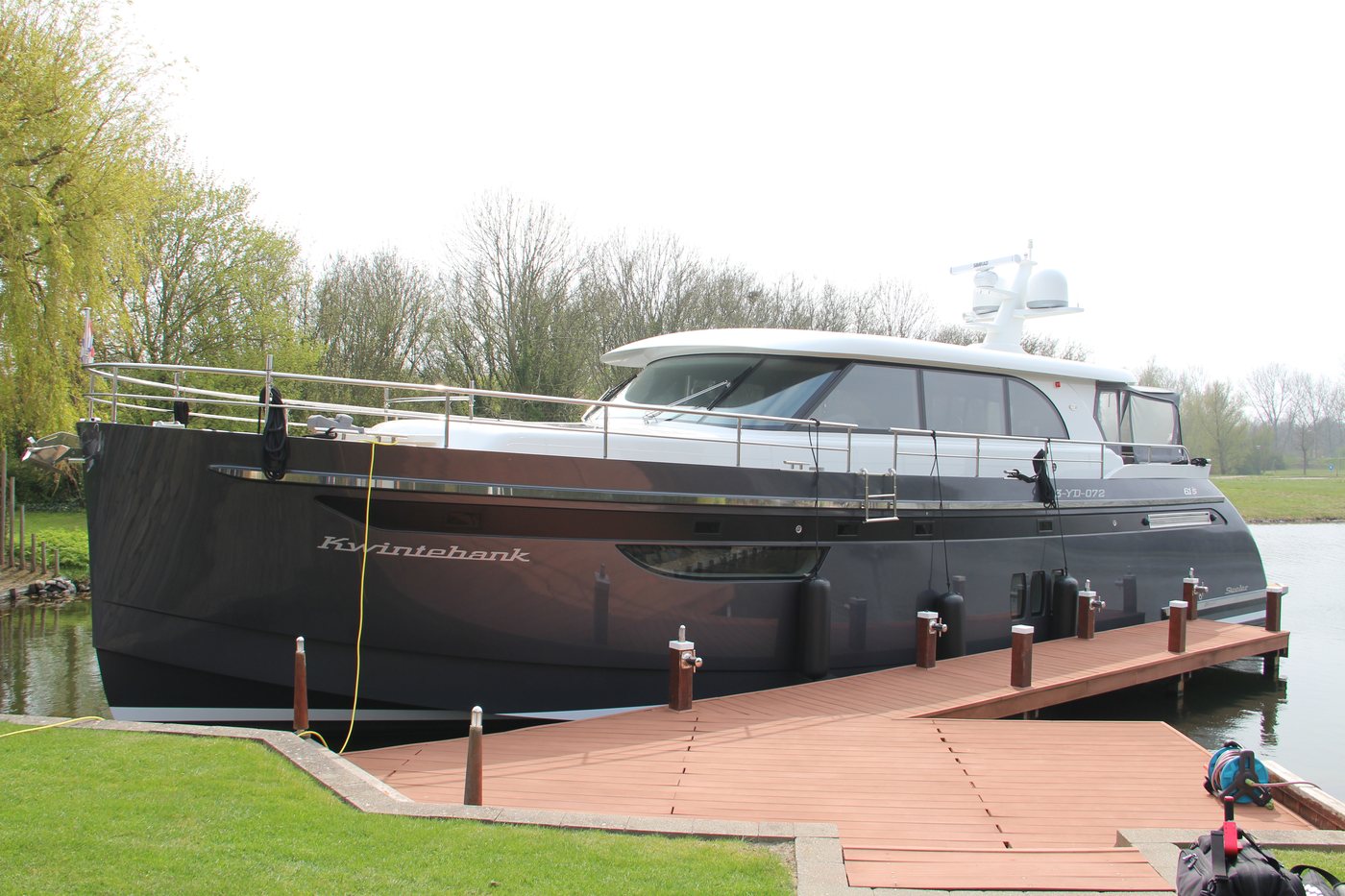
A Steeler 61 motor yacht at the quay

And they’re not alone. The owner of a Steeler 61, on his second yacht with a RotorSwing system:

“Even after 2 years they called me and asked if they could run a service check, just for free. That kind of service says a lot about the RotorSwing company.”

Specifications

Full technical specifications for the RS 140 and RS 170 (dimensions, power, weights, installation requirements) are available on request, matched to your specific yacht during specification. Every recommendation starts with your hull, not with a datasheet.

Tell us your yacht's length, displacement and cruising style, and a RotorSwing engineer will tell you which rotor fits, in which configuration, honestly.

Find the Right Stabilizer