Applications · While cruising
Cruising is where a stabilizer works its longest shift. Not one dramatic moment, but hundreds of ordinary hours: the beam sea on a coastal leg, the wake of every passing ship, the afternoon chop on the way home. Comfort, sustained across all of them, is what changes how much you actually use the yacht.
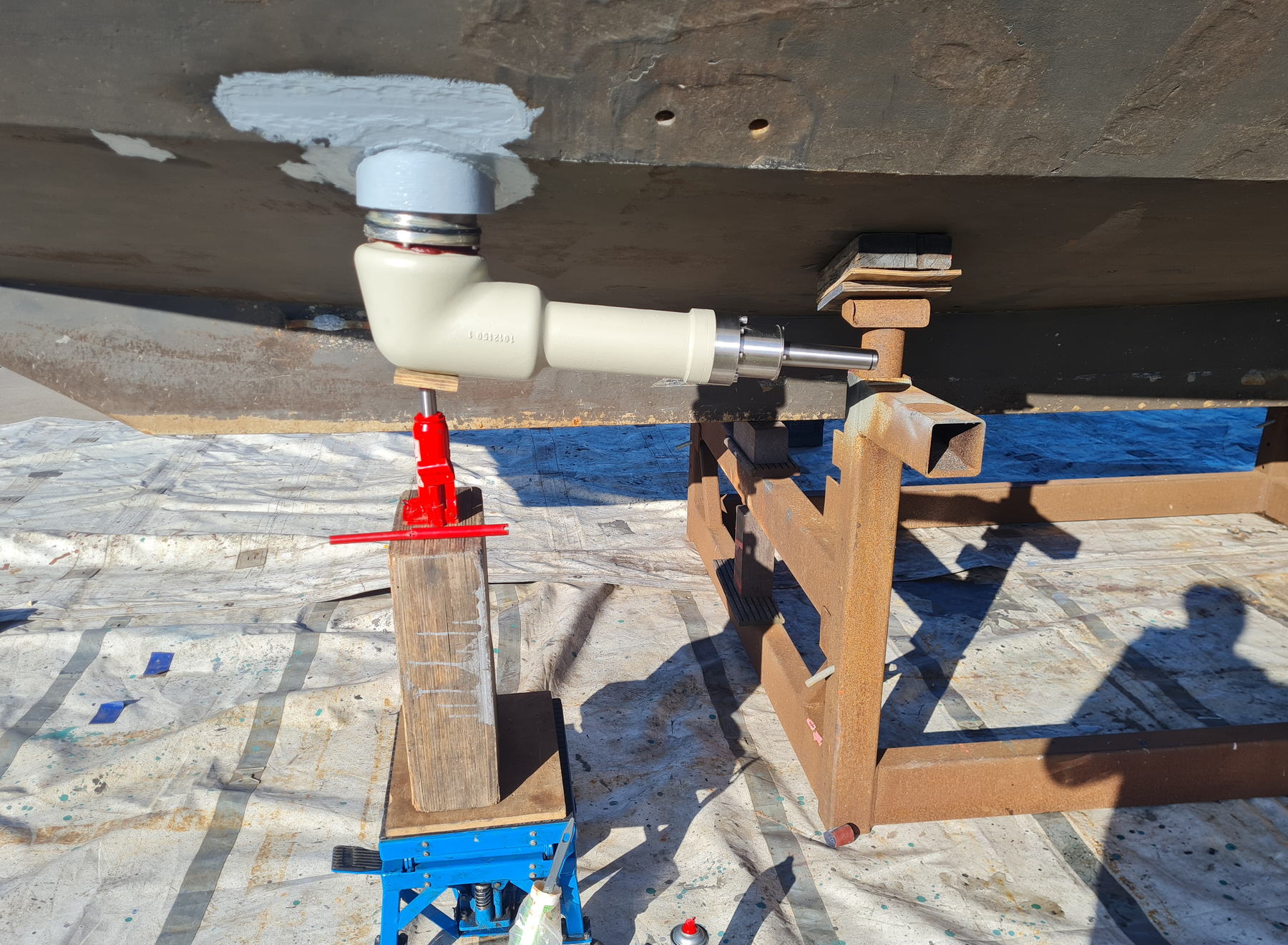
A stabilizer while cruising reduces a yacht's roll from the moment there is steerage way: RotorSwing rotors deliver roll damping from 3 knots, and electric fins carry stabilization through higher cruising speeds, so passages stay comfortable in conditions that would otherwise keep a yacht in harbor.
The real cost of roll underway isn't discomfort; it's the plans it cancels. Owners check the forecast three days out and quietly shrink the season: the crossing postponed, the further harbor skipped, the guests invited only on flat days.
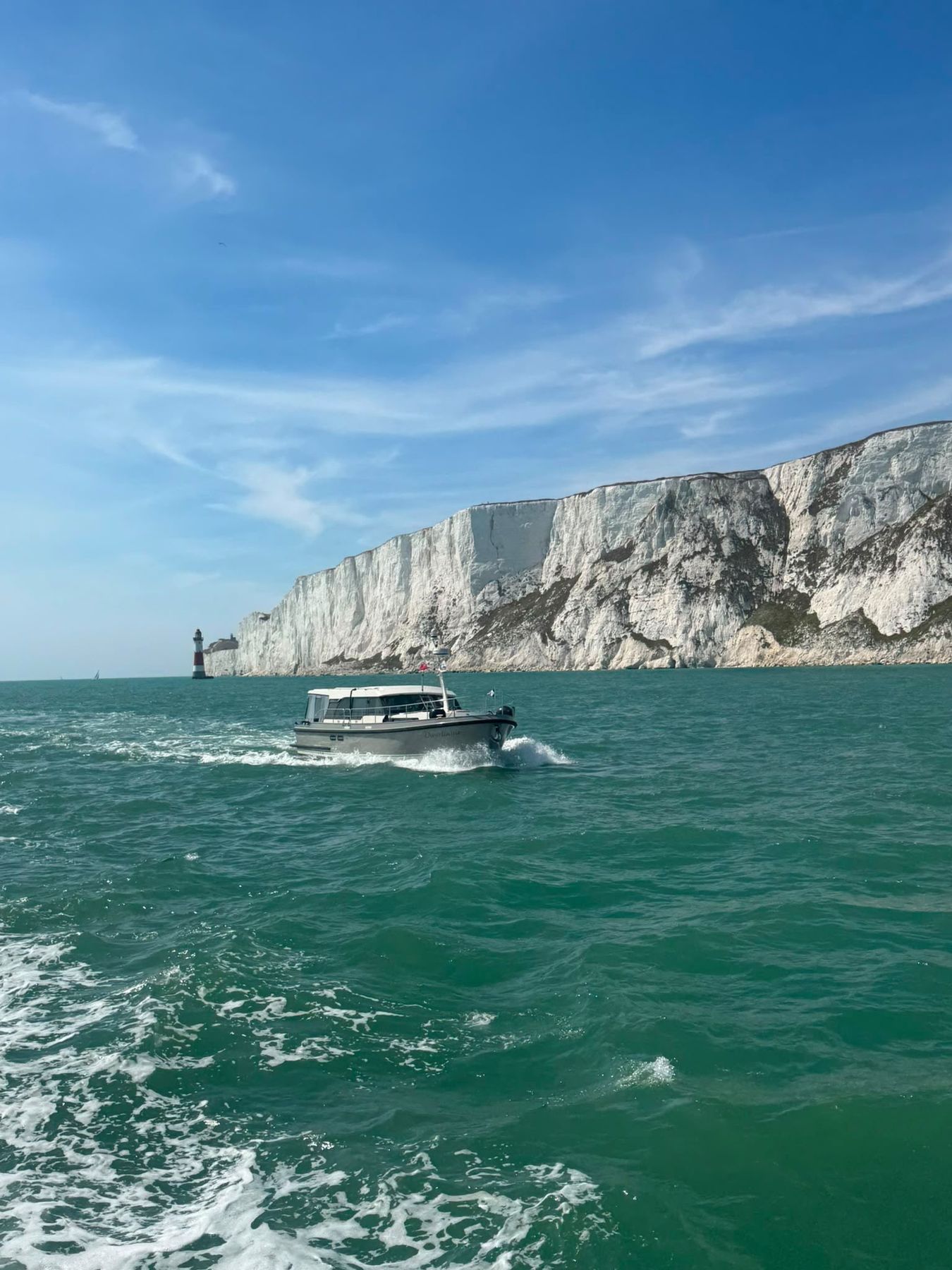
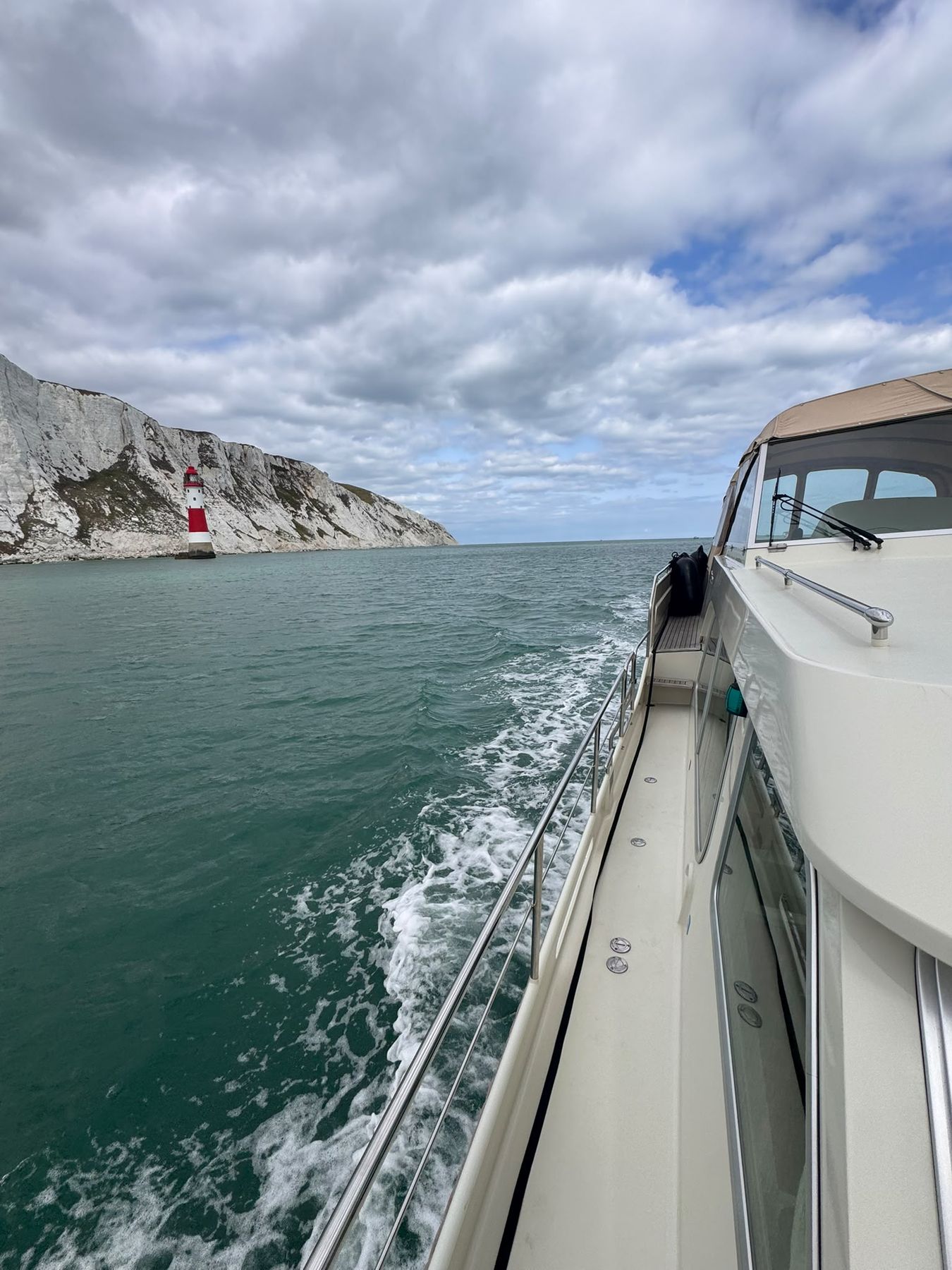
Owners with stabilization describe the opposite habit. The family on the Elling E4 came back from Dover in wind that built to 23 knots:
"The RotorSwing had to work hard and did its job. It has extended our cruising range."
That's the pattern in nearly every reference we have: not "the sea got flatter," but "we went more often, and further."
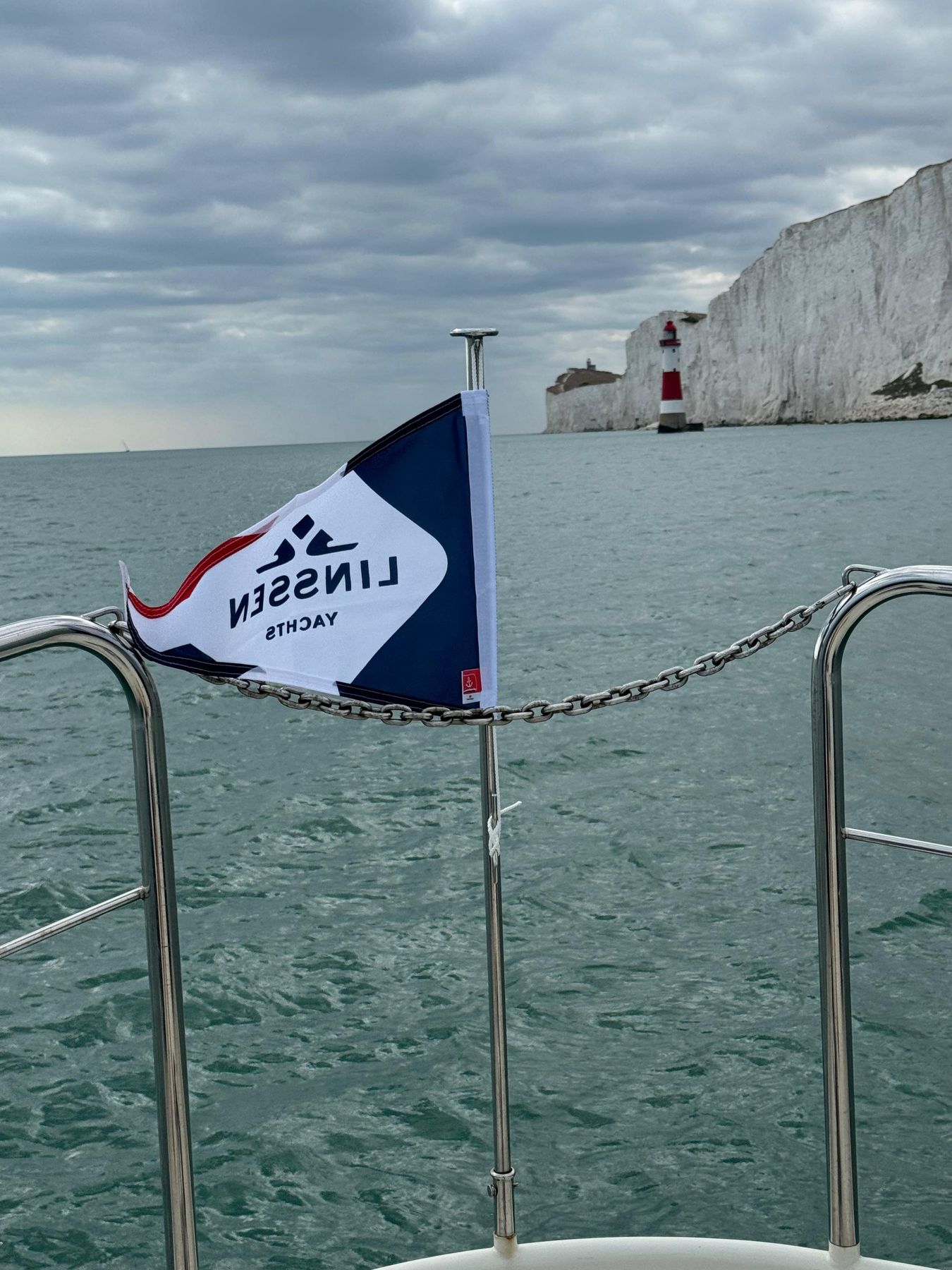
A first crossing is a story owners tell. The Honig family took their new Linssen 45 SL across the North Sea to England, fifteen hours, having never sailed open sea before, and did it relaxed. On the way, roll is what separates guests who arrive ready for dinner from guests who arrive ready for bed.
More of those passages, told by the people who made them: owners describing their crossings.

Two technologies cover the cruising range, and the details live on their own pages:
Rotors deliver roll damping from just 3 knots up to 16 knots with Adaptive Rake: the Underway technology behind it, powered by how spinning cylinders fight roll.
Electric fins take over for higher speed vessels, and carry the calm as cruising speeds rise.
Which one covers your cruising profile is a hull and speed question: which systems cover cruising.
And because a cruising day usually ends with the hook down: and when the anchor drops. Both scenarios, and how they combine, sit in more scenarios on the water.
Count the passages you didn't make last season. That number, more than any specification, is what a stabilizer while cruising is for. Tell us how and where you cruise, and a RotorSwing engineer will tell you what fits.